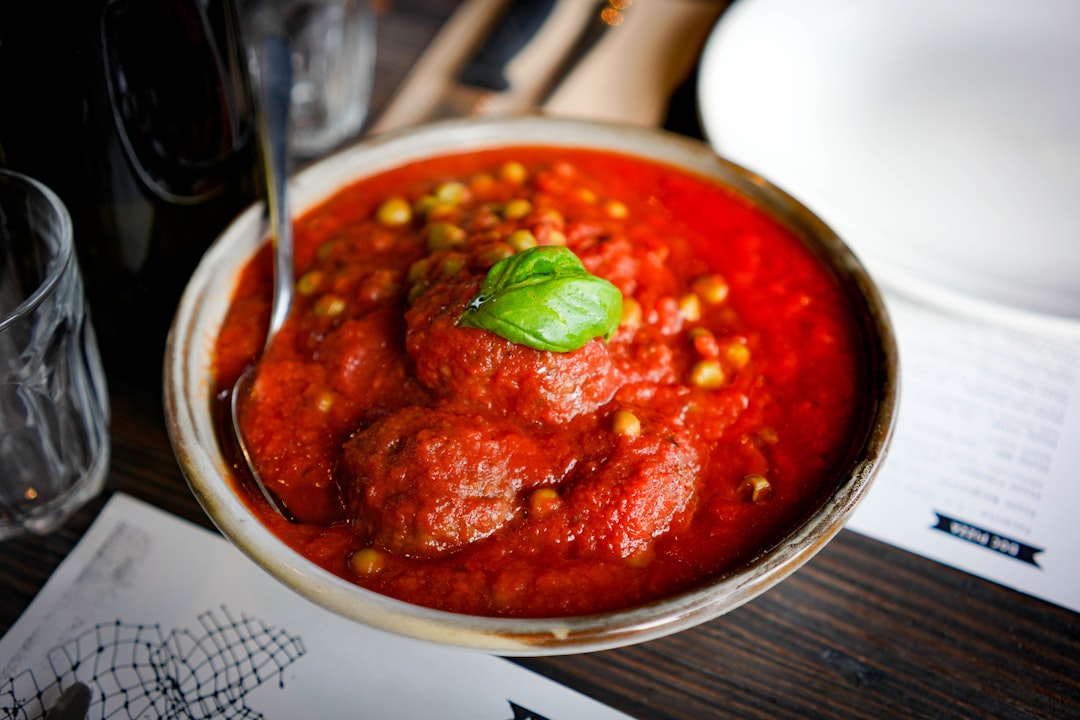
A Recipe Worth Its Salt
The story goes like this: somewhere in a small Sicilian village in the early 1900s, a Nonna—let's call her Nonna Lucia—perfected a meatball recipe that would outlive empires, survive ocean crossings, and become the gold standard by which three generations of her descendants would judge every meatball that ever hit a skillet.
Nonna Lucia learned it from her own Nonna's Nonna, a woman whose name had already faded into family legend but whose hands apparently knew exactly how to balance beef and pork, how to keep a meatball tender instead of dense, and how to build flavor that didn't need to announce itself—it just was, the way the best food does.
When Nonna Lucia's granddaughter immigrated to New Jersey in 1952, she carried this recipe in her memory and her hands. She made these meatballs every Sunday. Her daughter learned them. Her granddaughter learned them too. And somewhere along that American journey—through three generations of kitchens in Queens and Jersey City and suburban strip malls that replaced old Italian neighborhoods—the recipe became what it is now: Triple Nonna approved. Not just because three generations of women had made it, but because each one refused to let it become anything less than perfect.
Why This Recipe Works: The Secret Is Respect
The secret to these meatballs isn't exotic. It's restraint.
Start with the base: breadcrumbs and milk. This pairing is not accident. The breadcrumbs soak up the milk and become a paste—what cooks call a panada—and that paste acts as a binder and a moisture barrier. It keeps the meatball tender instead of letting it compress into a hockey puck. This is the move that separates a good meatball from the dense, sad kind that lives in freezer bags for months.
The meat split—half beef, half pork—is where the Nonnas' wisdom shows. Beef alone makes the meatball taste beefy. Pork alone makes it taste like sausage. Together, they create something more interesting: umami depth from the beef, subtle sweetness and richness from the pork. Neither one shouts. Both sing.
Parmesan cheese adds a nutty, fermented note. Fresh parsley brings brightness. Garlic—minced fine, not pounded to paste—distributes evenly without creating sharp pockets. The oregano and basil are dried, not fresh, because dried herbs have been concentrated and will hold their flavor through cooking. Red pepper flakes? Just enough heat to make you wonder where it came from.
The Technique: Gentleness Is Everything
Here's where home cooks most often stumble: overmixing.
When you combine all these ingredients, the temptation is to really work it, to make sure everything is distributed evenly. Don't. Your hands are the right tool—they're sensitive enough to feel when everything is just incorporated—but treat the mixture like something fragile. Mix until you see no more streaks of raw meat, and then stop. Overworked meatball mixture becomes dense and tight. The Nonnas know this in their bones.
Shaping into 1.5-inch balls is precise for a reason: that size allows the inside to cook through in about 8–10 minutes of browning while the outside develops a proper crust. Too small and they'll be overcooked inside. Too large and they'll be raw in the center.
The browning happens in batches, in hot oil. This matters. Don't crowd the pan—if the meatballs are touching, they steam instead of brown, and browning is where flavor lives. You're looking for a deep golden-brown crust all over. This takes turning, gently, with a spoon or tongs. Don't prod them constantly; let each side have time to develop color.
The Finish: Low and Slow
Once the meatballs are browned, they go into marinara sauce and simmer gently—medium-low heat, not a rolling boil—for 10–12 minutes. The sauce finishes cooking them through and becomes infused with their flavor. The low heat is crucial: a hard boil will break the meatballs apart and make them tough.
You'll know they're done when a meatball cut in half shows no pink inside and feels firm but still tender when you bite it. The sauce should bubble gently at the edges, not rage.
From Sicily to Your Table
These meatballs have traveled three oceans and a century. They've been served at Sunday dinners over spaghetti, piled onto crusty bread with sauce as sandwiches, passed around kitchen counters on toothpicks while three generations argued about sauce and politics in two languages.
They're rated Triple Nonna approved not because they're fancy—they're not—but because they're honest. Every ingredient has a job. Every step has a reason. And when you make them with the same care the Nonnas did, treating the mixture with respect, paying attention to heat and time, you're not just cooking dinner. You're continuing something that's been carefully tended for generations.
That's worth doing right.
Ready to cook it? View the full recipe with step-by-step instructions — and let Mise, your AI sous chef, plan it into your week.