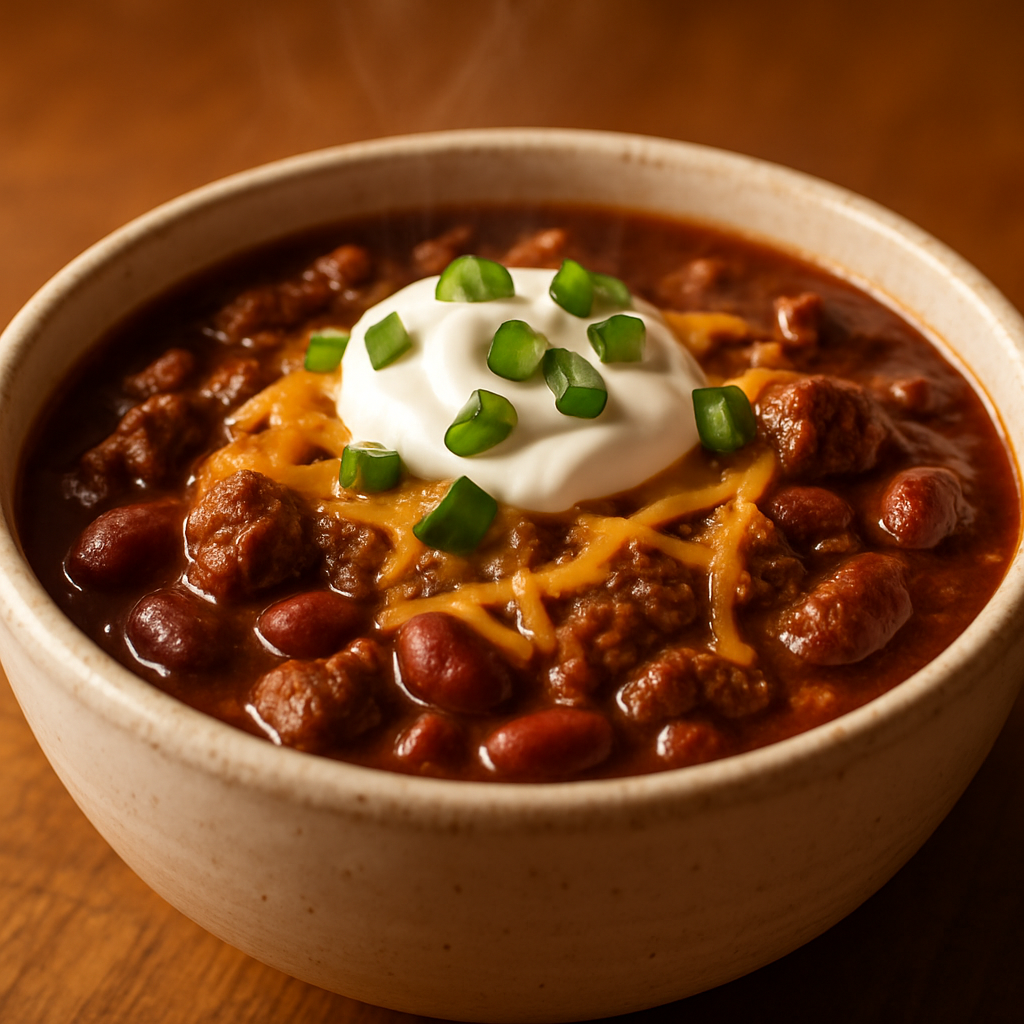
A Recipe Born in the Dust
The story goes that sometime in the early 1920s, a ranchero named Julio worked cattle drives across the borderlands between Chihuahua and what would become South Texas. He carried little: a bedroll, a knife, and his mother's cast-iron pot. His mother had taught him to make a simple chili con carne—beef, onions, beans, dried chiles from the market—the kind that fed a man through a long day in the saddle.
But Julio grew curious. As he traveled, he collected stories and seeds. Somewhere near the Rio Grande, a vaquero told him about ghost chiles—peppers so fierce they were said to carry the bite of the desert itself, named for how they burned so hot you'd swear you'd glimpsed something unearthly. Julio's mother would have called them dangerous. Julio decided to test them.
The Slow Evolution of Daring
That first batch nearly killed him. But Julio didn't abandon the experiment; he refined it. Over decades, as he trained younger rancheros and his recipe passed from hand to hand, the chili evolved. Someone added more cumin to ground the heat. Someone else learned that a long, patient simmer—not a quick boil—let the spices bloom without burning. By mid-century, there was a version that worked: chili so bold it commanded respect, but complex enough that the heat wasn't all there was to it.
The ghost peppers remained the signature. They couldn't be ignored or gentled. A ranchero who served this chili was saying something: I know what I'm doing. I respect the heat, and I've learned to live with it.
By the 1950s, the recipe had drifted north into Texas kitchens. Cheddar cheese appeared—a ranchero's pragmatism meeting supply-line abundance. Sour cream followed, then the cilantro and fresh jalapeños as garnish. The bones of the original remained, but the dish had become something new: a bridge between two traditions, proof that a recipe could honor its roots while answering to its present.
Building the Layers
What makes this chili work, after a hundred years of refinement, isn't a single bold gesture. It's patience and balance—the opposite of what you'd expect from a dish built on ghost peppers.
Start with your foundation: beef, onion, and garlic, cooked until the meat has surrendered its water and begun to brown. This isn't a quick sear; give it eight to ten minutes. The beef releases its moisture first, steaming the pan, then gradually begins to caramelize. You're building flavor from the ground up.
Then comes the spice bloom. This is crucial. Once your garlic softens, add your chili powder, cumin, paprika, oregano, and cayenne all at once. Stir them into the meat for just one minute—long enough to warm the spices and release their essential oils into the fat, but not so long they scorch. This technique, born from that long ranchero tradition, is what separates a flat chili from one with dimension.
Now the ghost peppers. You're using only two, deseeded (a merciful choice for your mouth and your eyes), and minced fine. This is the moment where the recipe's evolution shows its wisdom: rather than drowning the pot in raw heat, you're adding it in a controlled, integrated way. The peppers have already spent a century proving their place in this dish. They're not shock value; they're architecture.
The Patient Simmer
Add your crushed tomatoes, tomato paste, and beef broth—the wet components that will carry flavor and give the chili its body. The tomato paste, a modern addition that probably arrived in the 1970s or '80s, deepens the savory notes. It grounds the heat.
Then the beans: kidney and pinto, drained and rinsed so they don't cloud the broth with starch. Beans are protein, yes, but they're also texture—they soften the intensity, give the mouth something to rest on between bites of heat.
Bring it to a boil, then lower the heat and let it simmer for a full hour. This is non-negotiable. A fast chili is an angry chili. A slow chili is a thoughtful one. During this time, the flavors marry. The ghost pepper heat, which seemed almost sharp at first, integrates. The cumin becomes sweeter, rounder. The oregano stops being a single note and becomes part of a chord.
Stir occasionally—not constantly, but enough to keep the bottom from sticking. Taste as you go, especially toward the end. Ghost peppers are potent, and a little goes a long way. Add salt conservatively; remember that the cheese topping will add its own salt.
The Finish: Tradition Meets Comfort
When you ladle the chili into bowls, top each with a generous handful of sharp cheddar—the sharpness cuts through the heat and adds a subtle smoke. Let it melt into the surface. Then the cooling elements: a dollop of sour cream (a cushion against the fire), fresh jalapeño slices (keeping the pepper theme alive, but fresh and crisp), and chopped cilantro (brightness, herbal relief).
What you're eating is a hundred years of refinement. A ranchero's experiment. Generations of people tasting, adjusting, learning when to add and when to restrain. The ghost peppers are still there—they'll never leave—but now they're part of a story bigger than heat alone.
That's what makes this chili legend.
Ready to cook it? View the full recipe with step-by-step instructions — and let Mise, your AI sous chef, plan it into your week.