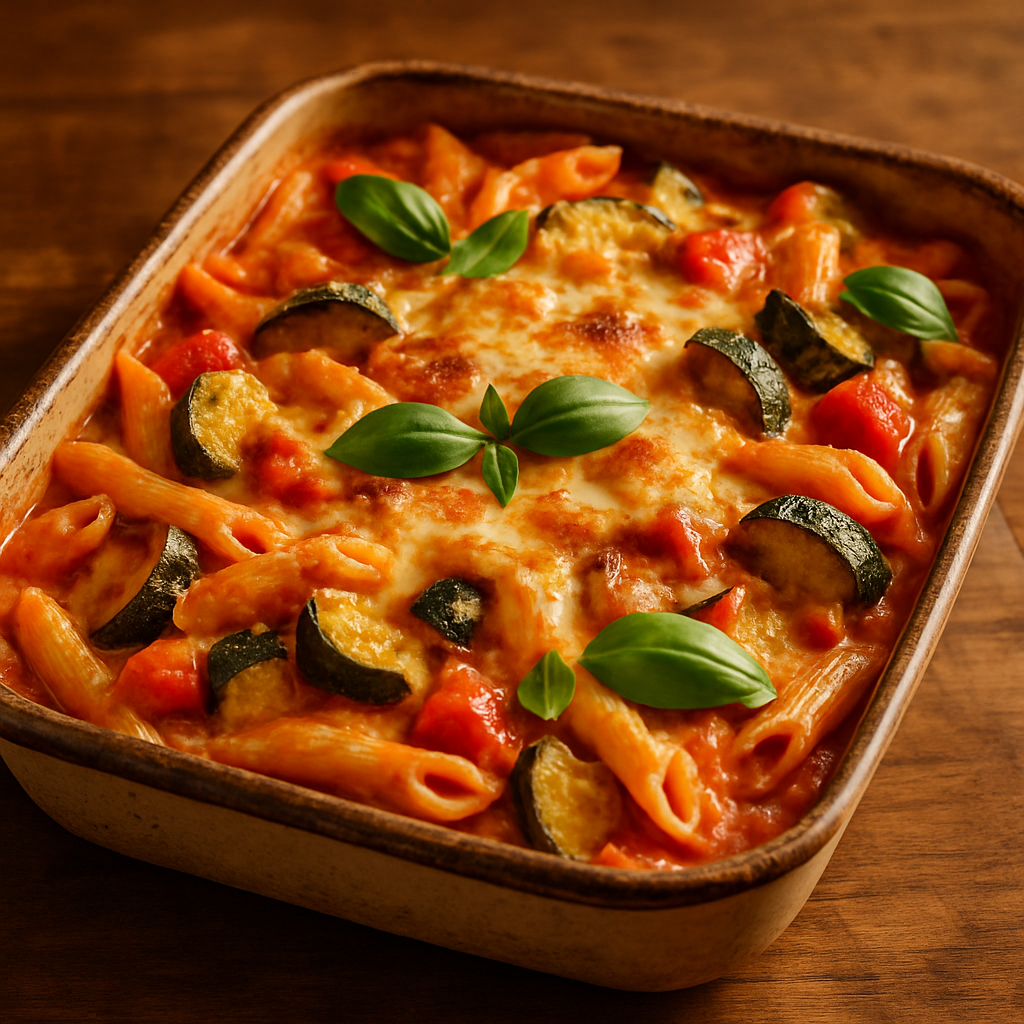
A Dish Born from Rubble
The story goes that in the years following World War II, when Italy was rebuilding itself brick by brick, a Roman widow named Caterina lived in a small apartment above a modest trattoria. Her husband had not returned from the war. She had little—a few olive oil tins, some dried pasta, tomatoes from a neighbor's garden plot. But she had her hands, her ingenuity, and the need to feed the people around her who were equally broken and hungry.
One evening, as the tale is told, Caterina found a bottle of vodka—contraband, perhaps, or a gift from a soldier passing through. She was reluctant to drink it. Instead, she did what Italian cooks have always done: she transformed what she had into something that could warm a table, mend a spirit.
She simmered tomatoes with garlic. She added the vodka to the pan, watching it catch and burn, the alcohol evaporating and leaving behind a depth, a sophistication that her meager ingredients alone could never achieve. She stirred in cream—a luxury she saved for the rarest occasions. When the sauce was silken and amber-colored, she knew she had made something that tasted like hope.
Word spread. Families began to gather in that small trattoria. They called it penne alla vodka—not because vodka was common in Italian kitchens (it wasn't), but because it became the secret that made the ordinary extraordinary. For people rebuilding their lives, it was proof that transformation was possible.
Why This Sauce Works
There is genuine food science behind Caterina's intuition. Vodka—neutral, flavorless on its own—acts as a solvent. When you add it to tomato sauce, it extracts flavor compounds from the tomatoes that water and wine cannot reach. As the alcohol burns off, those compounds remain, deepening the sauce's complexity and brightness in ways that feel almost mysterious.
The cream arrives last, after the tomato and vodka have done their work. This matters. You're not diluting the tomato sauce; you're tempering it, rounding its edges, creating a silken base that clings to each piece of pasta. The technique of removing the pan from heat before adding cream is crucial—it prevents the sauce from breaking or becoming grainy.
The roasted vegetables—zucchini and bell pepper—add sweetness and body without heaviness. Their caramelized edges provide textural contrast to the creamy sauce. And the ricotta dollops? They're pockets of cool richness that melt into the hot pasta, a nod to traditional baked Italian pasta preparations like lasagna and baked ziti.
Cooking with Care
Start by roasting your vegetables properly. Spread them in a single layer and don't crowd the pan; you want them to caramelize, not steam. Stir them halfway through their 15 minutes in the oven. They should be golden and tender—still holding their shape, but yielding to a fork.
While the vegetables work, cook your pasta one minute shy of the package direction. This is essential. The pasta will finish cooking in the oven, absorbing moisture from the sauce. Undercook it slightly now, and you'll have a final dish with a pleasant bite—the hallmark of proper Italian pasta. Overcook it here, and even the best sauce can't rescue it.
For the sauce: let your garlic bloom in olive oil for just a minute—you want fragrant, not brown. Add the crushed tomatoes, vodka, oregano, and red pepper flakes together. Simmer for 8 minutes, stirring occasionally. You're looking for the sauce to thicken slightly and for the sharp edges of raw tomato to soften. The vodka's alcohol should mostly burn off; you'll know it's ready when the sauce smells rich and rounded, not sharp or boozy.
Remove from heat. This is important. Wait a moment—let the pan cool just slightly—before stirring in the heavy cream. A violent boil can cause cream to separate. A gentle stir into a warm (not blazing hot) sauce produces that silken result.
The ricotta mixture is your secret weapon in the baking stage. Spoon it in pockets across the top of the assembled dish. As it bakes, it will soften and marble into the sauce beneath, creating pockets of richness. Top everything with mozzarella and Parmesan—enough to cover, but not so much that you can't see what lies beneath.
The Final Step
Bake at 400°F for 20 minutes. Watch for the cheese to turn golden-brown and bubbly. The edges will brown slightly faster than the center—this is correct. Some charring on the cheese adds depth and bitterness that balances the cream.
Let it rest for 5 minutes after it comes from the oven. This isn't a luxury; it's a necessity. The pasta continues to absorb moisture, the sauce sets slightly, and the cheese firms enough that your first bite won't be a molten, undifferentiated mess.
Garnish with fresh basil at the table. The brightness of fresh basil against the rich, golden-brown baked pasta—that's where Caterina's spirit lives. In the contrast. In the balance. In the simple, profound act of making something nourishing from what you have.
The dish that rebuilt Italian families still rebuilds tables today. Make it for people you love.
Ready to cook it? View the full recipe with step-by-step instructions — and let Mise, your AI sous chef, plan it into your week.